Vietnam · City guide
Hanoi, one good neighbourhood at a time
Build your Hanoi visit around a few enjoyable blocks of time rather than a race between landmarks. Start with the Old Quarter and Hoan Kiem, give a museum your full attention, and leave a lakeside afternoon open. Our three-day outline is designed for travellers who want context as well as photographs: there is space to sit down, try a different dish and change the plan when the weather turns. Choose the experiences that interest you and let the rest wait.
Get to know Hanoi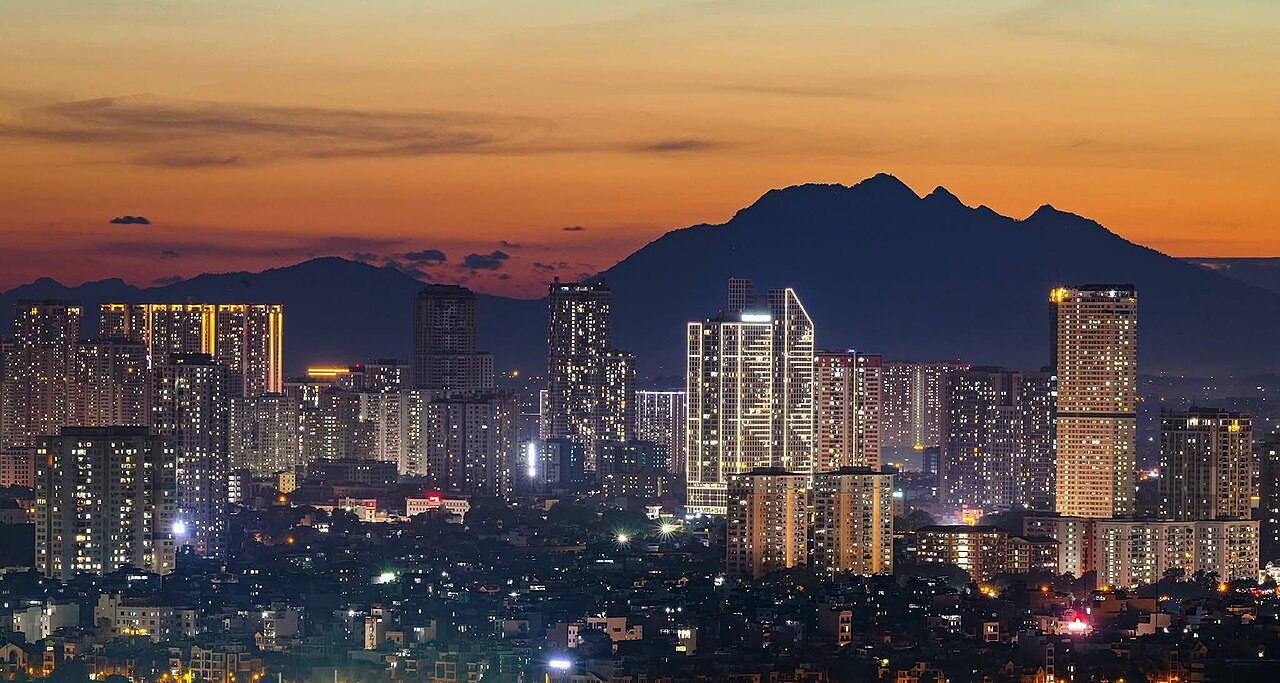
In this guide 8 sections
Go a little further
Best Things to Do in Hanoi
Hoan Kiem Lake: an unhurried first walk
Start with a circuit of Hoan Kiem rather than a cross-city sightseeing dash. The lake gives your first day a clear centre, with the Old Quarter nearby and the French Quarter walk extending south. Our suggestion is to return at a different time of day, then choose which surrounding streets deserve more attention. Keep this as a flexible outdoor stop, not a timed appointment.[3]
The Old Quarter beyond the checklist
The Old Quarter rewards looking closely at working streets, small temples and shops instead of trying to photograph everything. Vietnam’s tourism authority highlights its mix of trade, street kitchens and cafe life. Choose a short loop, stop for a seated drink and repeat the approach in another direction. Our advice is to save one unplanned hour here: the neighbourhood is the attraction, rather than a queue of individual landmarks.[1]
Temple of Literature
The Temple of Literature connects Hanoi’s architecture with its scholarly tradition. Founded as a Confucian temple in 1070, it later housed the Imperial Academy. Give the courtyards and scholarly memorials more attention than an entrance photograph. Our suggestion is to follow the interpretation as you go; it helps make sense of the spaces and their significance.[2]
Vietnamese Women’s Museum
Choose this museum for a change of perspective after the city’s monuments. Clothing, objects, photographs and personal stories explore women’s roles in Vietnamese society and history. Our suggestion is to follow a few themes carefully rather than rush through every display. It also makes a sensible indoor anchor when you want to reduce your time outside.[2]
Vietnam Museum of Ethnology
This museum introduces Vietnam’s communities through objects, clothing and architecture, including substantial outdoor buildings. Give it a separate place in your itinerary instead of squeezing it between central sights. Our suggestion is to connect the exhibits indoors with the buildings outside: consider how materials, domestic spaces and everyday objects fit together. Let your interests determine the pace.[2]
Thang Long Imperial Citadel
The UNESCO-listed citadel is most rewarding when approached as layers of a capital, not an intact palace frozen in one period. The Ly dynasty built its 11 th-century citadel over earlier remains; the wider property includes archaeological evidence as well as standing structures. Our suggestion is to start with the interpretation and then explore. That context helps fragments and foundations make sense even when they are less immediately photogenic.[4]
Truc Bach and the lakeside streets
For a different afternoon, make Truc Bach the centre of a shorter walk. The official walking guide links the area with Thanh Nien, where there are lake views on both sides, and the neighbouring Ngu Xa streets. Our suggestion is to keep the outing simple: walk, pause by the water and choose a meal nearby. Leave the ambition to connect every historic landmark for another day.[3]
A taste of the city
What to Eat and Where
Noodle soup
Pho
Try Hanoi’s beef or chicken pho as a meal in its own right. Taste the broth before adding condiments; our suggestion is to compare one bowl with your familiar version rather than seek a universal winner.[5]
Check directly with the chosen venue.
Grilled pork and noodles
Bun cha
Grilled pork, noodles and dipping sauce make bun cha a useful lunch choice. Assemble small bites with the accompaniments. Choose a venue that can explain the ingredients if you have dietary restrictions.[5]
Check directly with the chosen venue.
Fish with dill
Cha ca
This Hanoi specialty combines seasoned fish with dill and spring onions. Pick it for a seated meal rather than another snack. Confirm what is included in the portion before ordering for a group.[5]
Check directly with the chosen venue.
Tofu and noodle plate
Bun dau
Tofu and noodles do not automatically make this vegetarian: accompaniments and fermented shrimp paste matter. Ask the kitchen about sauces and added meats. Our suggestion is to agree dietary substitutions before the dish arrives.[5]
Check directly with the chosen venue.
Egg coffee
Ca phe trung
Egg coffee combines strong coffee with a sweet egg topping. Treat it as a slow cafe break. Check ingredients for allergies and choose something else if eggs or a rich sweet drink do not suit you.[5]
Check directly with the chosen venue.
Set your own pace
Plan your stay
Arrive at Noi Bai with a transfer plan
Noi Bai’s airport website lists taxis, minibuses and public buses, including route 86 to Hanoi Railway Station. Choose according to luggage, arrival time and the remaining distance to your accommodation; a station terminus is not necessarily your hotel. Check the airport’s current service information before leaving arrivals. Our suggestion is to save your accommodation’s full address offline and confirm the actual drop-off point before boarding.[6]
A three-day plan without rushing
Our suggested structure is one day around the Old Quarter, one museum-and-history day, and one flexible lake or cafe day. This is an editorial starting point, not a tour schedule. Choose the citadel if archaeology interests you, or give more time to a museum instead; seeing both briefly is not automatically better. Keep travel between districts out of your most time-sensitive meal or departure plans.[4][1]
Book the neighbourhood, then the room
For a first visit focused on walking and cafes, begin your accommodation search around Hoan Kiem, then inspect the exact street and recent room reviews. Our practical advice is to ask about noise, lift access and your arrival arrangements rather than judge a hotel only by its map pin. A convenient base is the one that matches your actual daily route, not necessarily the one closest to every landmark.[3]
Before you travel
Travel Health
Before travelling, review routine vaccinations and your complete itinerary with a qualified travel-health professional. Turkey’s Vietnam page discusses food- and water-borne illness, recommends sealed bottled drinking water rather than tap water, and stresses adequate medical insurance. Some disease-specific sections are dated 2019, so do not use this guide to choose vaccines or preventive medication. Countrywide advice also cannot substitute for advice about a particular rural extension. WHO explains that dengue-carrying mosquitoes are active during the day: use suitable repellent, clothing and screened accommodation, not only precautions after sunset. Seek prompt medical advice if you become unwell; severe abdominal pain, persistent vomiting or bleeding require urgent care. Tell the clinician where you have travelled. Check the linked authorities again before departure, especially if your route changes. These are general planning pointers, not individual medical advice.[7][8]
Find your season
Weather Through the Year
Historical climate normals, not a forecast.[9]
| Month | Avg high | Avg low | Rain | Travel note |
|---|---|---|---|---|
| Jan | 20 °C | 14.6 °C | 28 mm | Bring an extra layer for cooler mornings. |
| Feb | 21.3 °C | 16.2 °C | 19 mm | Pack a light layer and rain protection. |
| Mar | 23.5 °C | 18.7 °C | 55 mm | Keep an indoor alternative for damp days. |
| Apr | 27.7 °C | 21.9 °C | 79 mm | Plan walking breaks as days become warmer. |
| May | 31.7 °C | 24.5 °C | 188 mm | Carry rain protection and drinking water. |
| Jun | 33.8 °C | 26.3 °C | 231 mm | Schedule outdoor walks earlier in the day. |
| Jul | 33.3 °C | 26.5 °C | 300 mm | Allow room to change plans around showers. |
| Aug | 32.5 °C | 25.8 °C | 335 mm | Keep a museum option for wet periods. |
| Sep | 31.6 °C | 24.7 °C | 195 mm | Still allow for hot, rainy days. |
| Oct | 29.6 °C | 22.4 °C | 126 mm | Carry a light rain layer for outdoor walks. |
| Nov | 26.3 °C | 19.2 °C | 48 mm | A light layer can be useful in the evening. |
| Dec | 22.1 °C | 15.4 °C | 24 mm | Pack an extra layer for mornings and evenings. |
Best Time to Visit
For a walking-focused trip, November is our practical starting point: the official normals show lower rainfall and lower average daytime highs than midsummer. January and December can feel cool, so Hanoi is not a year-round tropical-beach wardrobe destination. May through September needs greater heat and rain flexibility. These station averages describe climate, not a promise of conditions on your dates.[9]
Make it a journey
Current fares to Hanoi
A few useful answers
Frequently asked questions
How many days should I allow for Hanoi?
Our suggested starting point is three full days, separate from airport transfers. That gives you room to explore the Old Quarter, choose a substantial museum visit and make a lakeside outing. It is a planning suggestion, not a claim that three days covers the whole city. Add more time if you prefer slow mornings or detailed museum visits.[1]
Can I reach central Hanoi by airport bus?
The airport lists route 86 between Noi Bai and Hanoi Railway Station. Check the current route and service hours against your arrival, then plan the final leg to your accommodation. With substantial luggage or a late arrival, compare the listed taxi options instead of assuming the bus is always the easiest choice.[6]
Which season is easiest for sightseeing?
The station normals suggest considering November for cooler, less rainy conditions than midsummer. Winter needs layers; summer needs more breaks and weather flexibility. These are long-term averages, not a forecast for your booking dates. Check a current forecast shortly before travelling and keep one indoor option available.[9]
Should I plan the citadel as a palace visit?
Expect a historic site with different periods, archaeological remains and surviving buildings, rather than one fully preserved royal interior. Reading the interpretation will improve the visit. Our suggestion is to choose it when you want to understand Hanoi’s political history; a short photo stop will miss much of its value.[4]
Stay curious
Keep exploring
Behind the guide
Sources and editorial checks
Fact check: 2026-10-14. Food check: 2026-10-14. These are editorial checks, not a claim of a first-person visit. Suggested routes and time allocations are planning judgments.
- Ha Noi — Vietnam National Authority of Tourism · accessed 2026-10-14
- 11 must-see attractions in Ha Noi — Vietnam Tourism · accessed 2026-10-14
- Three walking tours of Ha Noi — Vietnam Tourism · accessed 2026-10-14
- Central Sector of the Imperial Citadel of Thang Long — UNESCO · accessed 2026-10-14
- Ten must-try Hanoian dishes — Vietnam Tourism · accessed 2026-10-14
- Transport to/from the airport — Noi Bai International Airport · accessed 2026-10-14
- Dengue — World Health Organization · accessed 2026-10-14
- Vietnam country travel-health advice — Turkish travel-health authority · accessed 2026-10-14
- Hanoi monthly climatology — WMO World Weather Information Service · accessed 2026-10-14
- Hanoi skyline with Ba Vi Mountain — Wikimedia Commons · accessed 2026-10-14
- Hanoi Travel Guide 2024 | Hanoi City Tour · accessed 2026-10-14 · discovery/access only; not used as verified evidence
- Hanoi Vietnam: 13 BEST Things To Do In 2024 (Travel Guide) · accessed 2026-10-14 · discovery/access only; not used as verified evidence
- HANOI Top 55 Tourist Places | Hanoi Tourism | VIETNAM · accessed 2026-10-14 · discovery/access only; not used as verified evidence

On-location video candidates were recorded, but usable captions were unavailable for this edition. No video observations are claimed.