Japan · City guide
Best Things to Do in Tokyo
Plan Tokyo as a series of neighbourhood outings rather than a checklist of distant landmarks. Pair a temple visit in Asakusa with kitchenware browsing, give Ueno a museum-focused day, and save western Tokyo for shrine grounds, fashion streets and the Shibuya crossing. This guide suits first-time visitors who want cultural stops and good food without scheduling every hour. Our suggested starting point is four full days, leaving room to linger rather than claiming that one itinerary covers the city.
Get to know Tokyo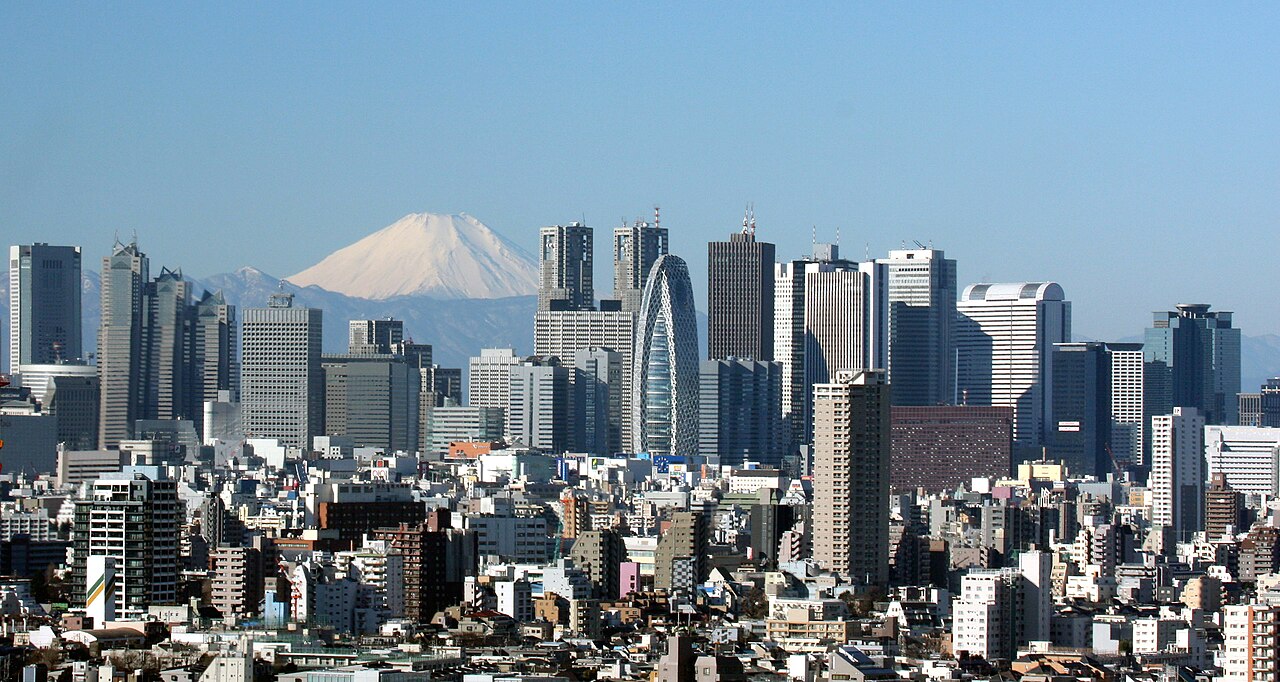
In this guide 8 sections
Go a little further
Best Things to Do in Tokyo
Sensoji and Nakamise, Asakusa
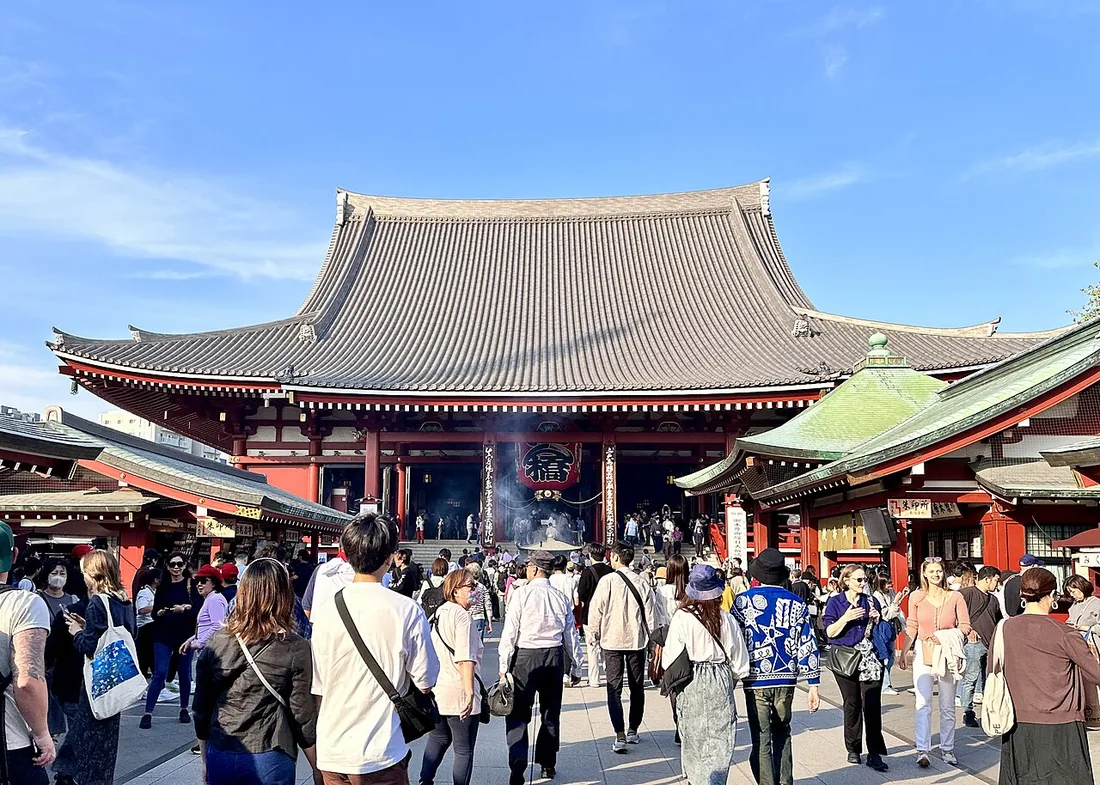
Enter through Kaminarimon and follow Nakamise shopping street towards Sensoji’s main hall. The sequence makes a satisfying introduction to Asakusa: a monumental gate, souvenir stalls and a temple destination rather than an isolated photo stop. Our suggestion is to give the area a relaxed morning, then continue towards the Sumida River. Keep shopping and temple time separate in your plan so browsing does not swallow the whole visit.[1]

Ueno Park and Tokyo National Museum
Choose Ueno when you want a day built around art rather than shopping. Tokyo National Museum’s collections include woodblock prints, ceramics and swords; the surrounding park offers a change of pace, with Shinobazu Pond another possible stop. We suggest choosing one museum rather than trying to cover the whole cluster. Finish with Ameyoko’s shopping streets if you still have energy, and check the museum’s own calendar before fixing your day.[2]
Meiji Shrine and Harajuku
Meiji Shrine’s torii and quieter grounds make a useful counterpoint to Harajuku’s fashion streets. Our suggested order is shrine first, then Takeshita Street if niche fashion interests you. Cat Street, between Harajuku and Shibuya, adds boutiques and larger brands without requiring a completely separate outing. This combination suits mixed-interest groups: allow time for both the shrine and browsing rather than making shopping the default for everyone.[4]
Shibuya Crossing and the surrounding streets
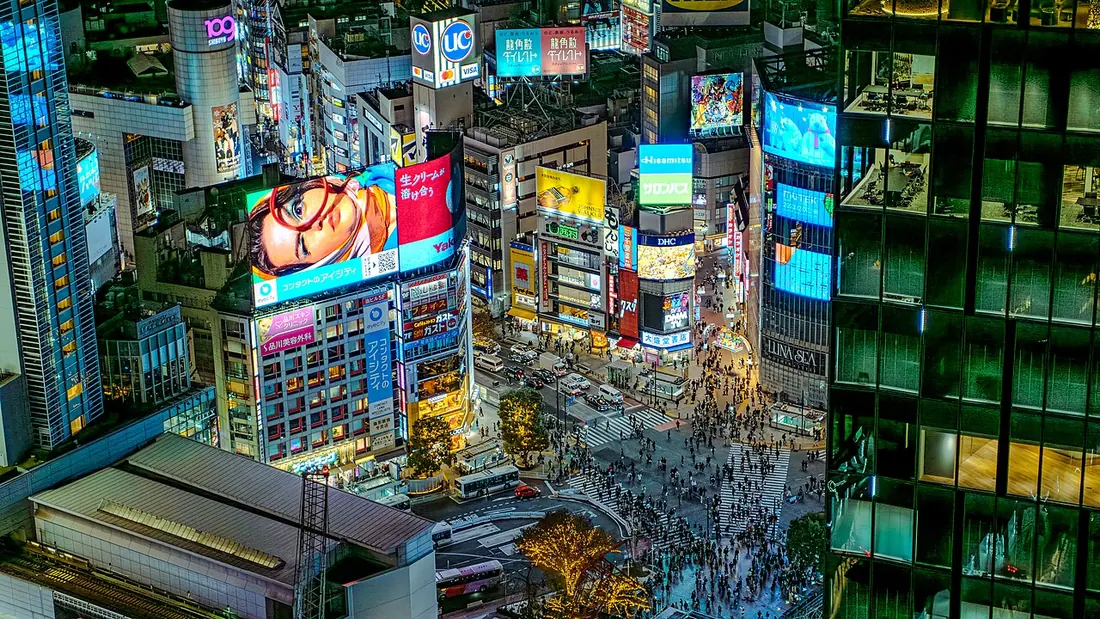
Our suggestion is to pair Shibuya’s busy scramble crossing with time exploring the surrounding district, rather than making the intersection your only stop. Shibuya has fashion shopping, cafés and entertainment, while Parco includes manga and gaming floors. SHIBUYA SKY is the observation-deck option at Shibuya Scramble Square. Our recommendation is to choose between an elevated view and more street-level exploring according to your interests; check the attraction directly for current admission arrangements rather than assuming access.[3][16][17]

Shinjuku Gyoen National Garden
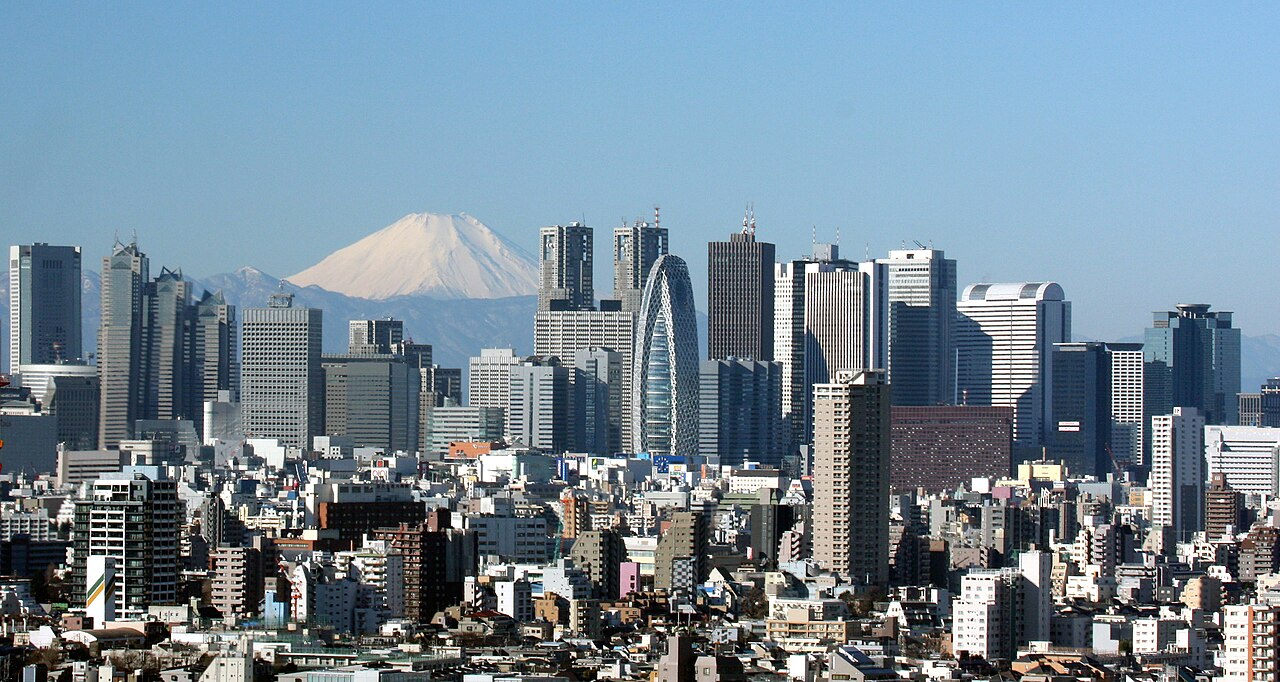
Shinjuku Gyoen offers lawns and views of the surrounding cityscape, a useful change from the shopping and entertainment streets around Shinjuku Station. We suggest leaving an unhurried block for the garden instead of using it merely as a route between other stops. Note the published restrictions: alcohol, smoking, sports equipment and musical instruments are prohibited. Check the garden’s official calendar before making it the centrepiece of your day.[5]
Kappabashi Kitchenware Town
If cooking or design interests you, make Kappabashi your Asakusa add-on. The official tourism guide highlights professional kitchen utensils and realistic plastic food models, giving this shopping area a more specific purpose than another department-store visit. Our suggestion is to browse with a shortlist of useful items, then leave space for something unexpected. It is particularly suited to travellers who prefer a practical souvenir to another landmark photograph.[1]
A taste of the city
What to Eat and Where
Dish / sushi restaurants
Sushi
Use these districts as a starting point for sushi, not a promise that every counter offers the same experience. Choose a venue and menu that suit your appetite and budget before planning the rest of the meal.[7]
Check the chosen restaurant directly.
Dish / buckwheat noodles
Soba
A useful noodle alternative when you want a meal around older Tokyo districts. GO TOKYO identifies these areas for soba; compare individual menus rather than treating all noodle shops as interchangeable.[7][6]
Check the chosen restaurant directly.
Dish / battered and fried food
Tempura
Make tempura a separate meal rather than an afterthought to a long tasting itinerary. The tourism board recommends these traditional districts for lightly battered tempura; select a specific restaurant before making a special detour.[7]
Check the chosen restaurant directly.
Dish / griddle cooking
Monjayaki
Thin flour batter, cabbage and other ingredients cook together on a hot griddle. Tsukishima is the district to explore for this Tokyo speciality. Our suggestion: ask staff how your chosen version is prepared before starting.[7][6]
Ask the selected venue about seating and reservations.
Dish / clam rice
Fukagawa-meshi
This local rice dish comes with a clam-based soup or as rice cooked with clams. Check which preparation a restaurant serves: the shared name does not guarantee the same style in every bowl.[7][6]
Check the chosen restaurant directly.
Restaurant / Japanese omakase
Den
Choose Den for an inventive Japanese omakase rather than a casual neighbourhood meal. The official listing describes the cooking and provides contact details; use those to ask about the current menu and arrangements before making a special trip.[12][13]
MICHELIN Guide: Two Stars · Official online listing; edition not stated · verified 2026-09-26
Contact the restaurant directly; it manages its own bookings.
Set your own pace
Plan your stay
Plan by neighbourhood
Our suggested four-day outline is Asakusa with Kappabashi, Ueno with one museum, Harajuku with Shibuya, and Shinjuku with its garden. These are editorial groupings, not a timed tour or a claim that every attraction fits every traveller. Leave one flexible slot for weather.[1][2][4][3][5]
Before you travel
Travel Health
Health review overdue or not yet verified. Time-sensitive assertions are withheld. Check the current advice from the authorities below and discuss your itinerary with a qualified travel-health professional.
Find your season
Weather Through the Year
Historical climate normals, not a forecast.[14]
| Month | Avg high | Avg low | Rain | Travel note |
|---|---|---|---|---|
| Jan | 9.8 °C | 1.2 °C | 59.7 mm | Warm coat; cool mornings. |
| Feb | 10.9 °C | 2.1 °C | 56.5 mm | Layers for cold evenings. |
| Mar | 14.2 °C | 5 °C | 116 mm | Carry a light rain layer. |
| Apr | 19.4 °C | 9.8 °C | 133.7 mm | Layers for day-to-evening changes. |
| May | 23.6 °C | 14.6 °C | 139.7 mm | Pack a rain shell. |
| Jun | 26.1 °C | 18.5 °C | 167.8 mm | Plan indoor alternatives. |
| Jul | 29.9 °C | 22.4 °C | 156.2 mm | Take breaks from outdoor walking. |
| Aug | 31.3 °C | 23.5 °C | 154.7 mm | Prioritise heat protection. |
| Sep | 27.5 °C | 20.3 °C | 224.9 mm | Keep wet-weather plans flexible. |
| Oct | 22 °C | 14.8 °C | 234.8 mm | Bring waterproof footwear. |
| Nov | 16.7 °C | 8.8 °C | 96.3 mm | Carry an evening layer. |
| Dec | 12 °C | 3.8 °C | 57.9 mm | Warm coat for evening walks. |
Best Time to Visit
For walking-heavy trips, our preference is April–May or November: the normals suggest milder daytime conditions than midsummer. December–February have the lowest monthly precipitation totals, but mornings and evenings are colder. August has the highest average daily maximum; July is also hot. Do not assume autumn is dry: September and October have the largest monthly precipitation totals in this dataset. June is wet too, so keep indoor alternatives available. These are long-term station averages, not a forecast, and they cannot promise comfortable temperatures or dry days for an individual visit.[14]
Make it a journey
Current fares to Tokyo
 BEST DIRECT FARE23% below
London (LON) to
Tokyo Haneda (HND)
Round trip5 Mar – 12 Mar7 days
From £1,064.00
Nonstop both ways13h 50m out · 14h 25m back
BEST DIRECT FARE17% belowNew York (JFK) to
Tokyo Haneda (HND)
Round trip12 Jan – 26 Jan14 days
From US$926.00
Nonstop both ways14h 40m out · 13h back
BEST DIRECT FARE14% belowLos Angeles (LAX) to
Tokyo (NRT)
Round trip6 Mar – 15 Mar9 days
From US$935.00
Nonstop both ways11h 45m out · 9h 55m back
GOOD FARE5% belowSydney (SYD) to
Tokyo Haneda (HND)
Round trip18 Nov – 25 Nov7 days
From A$1,384.00
Nonstop both ways9h 35m out · 9h 40m back
RECENTLY FOUNDMelbourne (MEL) to
Tokyo (NRT)
Round trip21 Dec – 9 Jan19 days
From A$3,295.00
Nonstop both ways10h 20m out · 10h 25m back
RECENTLY FOUNDLos Angeles (LAX) to
Tokyo Haneda (HND)
Round trip19 Jan – 26 Jan7 days
From US$789.00
Nonstop both ways11h 50m out · 10h 15m back
Flight routes to Tokyo
A few useful answers
Frequently asked questions
How many days should I allow for Tokyo?
We suggest four full days for the neighbourhood groupings in this guide. That is an editorial starting point, not a minimum: museum enthusiasts or serious shoppers may want longer. With only two days, choose an eastern outing around Asakusa or Ueno and a western outing around Harajuku and Shibuya rather than squeezing everything in.[1][2][4][3]
Does a Tokyo Subway Ticket cover every train?
No. The official ticket covers Tokyo Metro and Toei Subway lines, not every operator. For example, the JR Yamanote Line serving Harajuku is outside that stated coverage. Build your route first, check which operator runs each leg, and avoid buying a pass simply because it says Tokyo.[8][4]
Where should I start with Tokyo food?
Choose a dish and then a district: Tsukishima for monjayaki, Kanda or Asakusa for soba and tempura, and Ginza or the Tsukiji Outer Market area for sushi. For dietary restrictions, research specific restaurants in advance rather than assuming every version of a dish suits you. Tipping is not customary.[7][6]
Stay curious
Keep exploring
Behind the guide
Sources and editorial checks
Fact check: 2026-09-26. Food check: 2026-09-26. These are editorial checks, not a claim of a first-person visit. Suggested routes and time allocations are planning judgments.
- GO TOKYO: Asakusa · accessed 2026-09-26
- GO TOKYO: Ueno · accessed 2026-09-26
- GO TOKYO: Shibuya · accessed 2026-09-26
- GO TOKYO: Harajuku · accessed 2026-09-26
- GO TOKYO: Shinjuku · accessed 2026-09-26
- GO TOKYO: Tokyo Local Food · accessed 2026-09-26
- GO TOKYO: Food & Drink · accessed 2026-09-26
- Tokyo Metro: Tokyo Subway Ticket · accessed 2026-09-26
- WHO: Travel and health · accessed 2026-09-26
- Türkiye Travel Health: Japan · accessed 2026-09-26
- JNTO: Staying Safe in Japan · accessed 2026-09-26
- MICHELIN Guide: Den restaurant and booking information · accessed 2026-09-26
- MICHELIN Guide: Den distinction · accessed 2026-09-26
- Japan Meteorological Agency: Tokyo monthly normals · accessed 2026-09-26
- Tokyo 2026 Travel Guide: Places to Visit & Things to Do • Itinerary & Expenses • Budget Japan Vlog · accessed 2026-09-26 · discovery/access only; not used as verified evidence
- TOKYO, JAPAN (2026) | 15 Best Things To Do In & Around Tokyo (+ Travel Tips) · accessed 2026-09-26
- Tokyo: A City That Feels Like Another Planet · accessed 2026-09-26
Available caption material was used only for cross-checked planning context.